PVC Panel vs Gypsum Board in Nepal: Which One Should You Choose in 2026?
If you’re planning to renovate your home, office, or commercial space in Nepal, chances are you’ve come across two of the most popular interior materials today: PVC panels and gypsum boards. Both promise a modern, clean finish — but they serve very different purposes, and choosing the wrong one can cost you time, money, and rework.
At Monika Group, we importer and distribute both under trusted names — Silvora PVC Panels and premium gypsum board brands — so we get this question almost every day from customers across Nepal. Here’s a clear, honest comparison to help you decide.
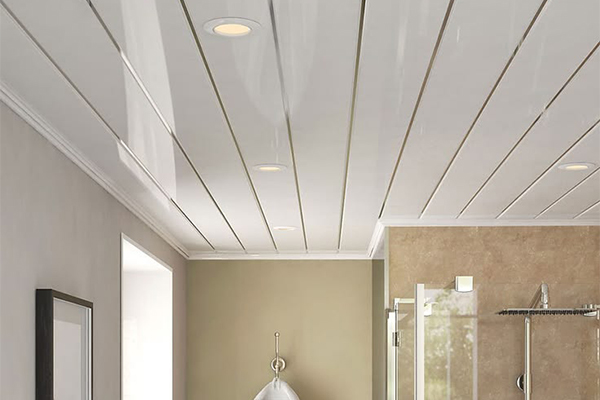
What is a PVC Panel?
PVC (Polyvinyl Chloride) panels are lightweight, waterproof sheets used for wall and ceiling cladding. Silvora PVC panels come in wood, marble, and solid-color finishes, and are especially popular for:
- Feature walls in living rooms and bedrooms
- Wet areas like bathrooms and kitchens
- Shops, salons, and retail interiors
- Fluted and louver panel designs (currently one of the biggest interior trends in South Asia)
What is a Gypsum Board?
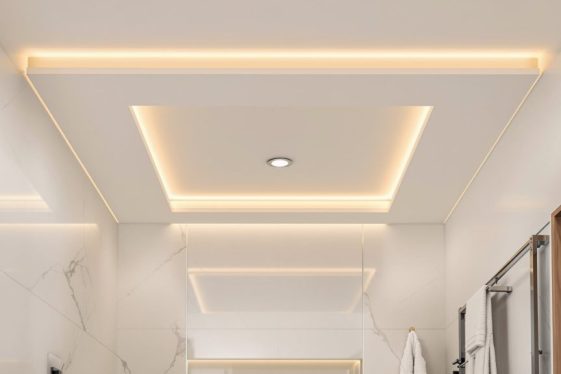
Gypsum board is a mineral-based panel used mainly for false ceilings, partition walls, and wall lining. It gives a smooth, paint-ready plaster-like finish and is the standard choice for:
- False ceilings in homes, offices, and hotels
- Sound and heat insulation between rooms
- Creating room partitions without brick walls
- POP-style decorative ceiling designs with cove lighting
Which One Should You Actually Choose?
- Renovating a bathroom or kitchen wall? → Go with PVC panels. Fully waterproof, no maintenance.
- Want a stylish false ceiling with lighting? → Gypsum board is the industry standard.
- Doing a bedroom or living room feature wall? → Fluted or louver PVC panels give a premium look at a lower cost than wood.
- Need to divide office space quickly? → Gypsum partition walls are faster than brick and still soundproof.
- On a tight budget but want a big visual impact? → PVC panels usually cost less per square foot than a full gypsum ceiling + paint job.
The truth is, most modern homes in Nepal use both — gypsum board for the ceiling, PVC panels for an accent wall. You don’t have to pick just one.
Frequently Asked Questions
Is PVC panel or gypsum board more durable in Nepal’s climate?
PVC panels handle humidity and monsoon dampness better since they’re 100% waterproof. Gypsum board performs best in dry, well-ventilated indoor areas like ceilings.
Can I use gypsum board in a bathroom?
Only moisture-resistant gypsum board should be used in bathrooms — regular gypsum board is not recommended for wet areas.
Which is cheaper — PVC panel or gypsum false ceiling?
It depends on design and thickness, but PVC wall panels are generally quicker and cheaper to install than a full gypsum false ceiling with framing and finishing work.
Do I need a professional to install these?
Yes — while both are lightweight, proper framing (for gypsum) and sealing (for PVC) affect the final finish and lifespan. Monika Group offers site visits and professional installation across Nepal.
Ready to Upgrade Your Space?
Whether it’s a Silvora PVC feature wall or a premium gypsum false ceiling, Monika Group brings 32+ years of experience importing and distributing quality interior materials in Nepal. Contact us today for a free consultation and the latest price list.